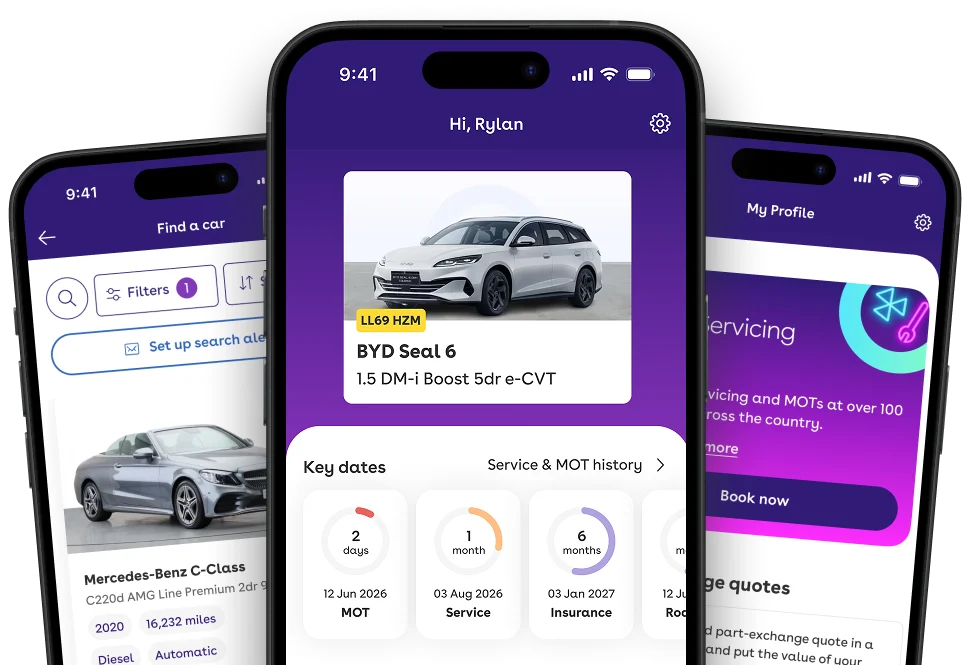
Set up a search alert with your chosen filters to get notified when new inventory arrives.
Petrol

Price reductions on selected cars, from £250 - £1000 off
Petrol cars for sale offer dynamic performance, smooth acceleration and plenty of choice, making them a popular option for drivers who love a traditional combustion engine. Choose from compact city hatchbacks, sleek saloons, or spacious SUVs to suit your lifestyle. Purchase faff-free and entirely online, with a 3-month warranty and 14-day money-back guarantee. Buy or finance a used petrol car.
Based on a cash price of £12,500, with a £2,000 customer deposit, borrowing £10,500 at a representative APR of 12.4%. 48 monthly payments of £189.23. Fixed rate of interest per annum 6.45%. Optional final payment £5,289.00. Option-to-purchase fee £10. Amount of interest £3,872.02. Total amount payable £16,372.04. Annual mileage limit 8,000 miles. Excess mileage charge 4p per mile.
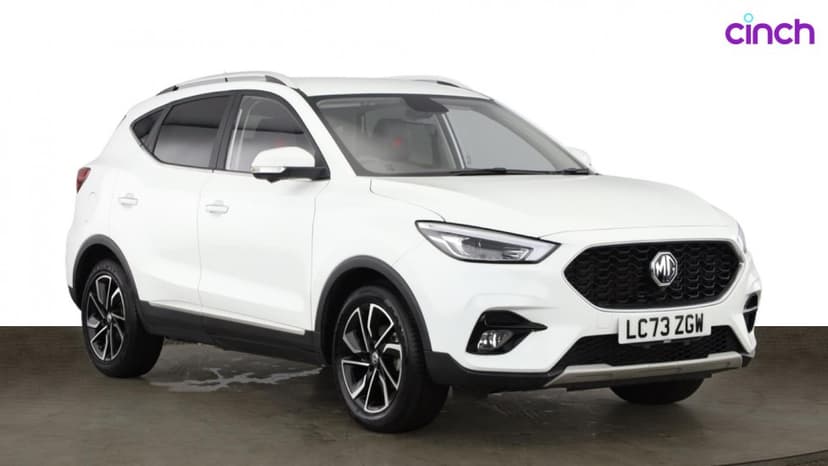
1.5 VTi-TECH Exclusive 5dr
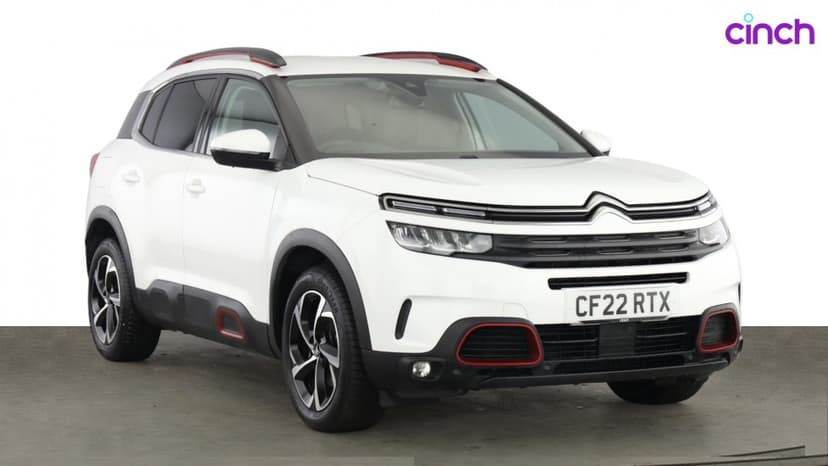
1.2 PureTech 130 Shine 5dr EAT8
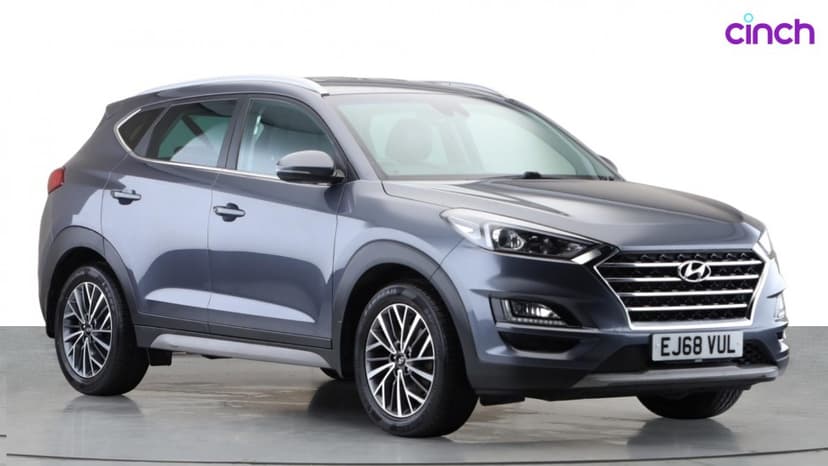
1.6 TGDi 177 Premium 5dr 2WD DCT
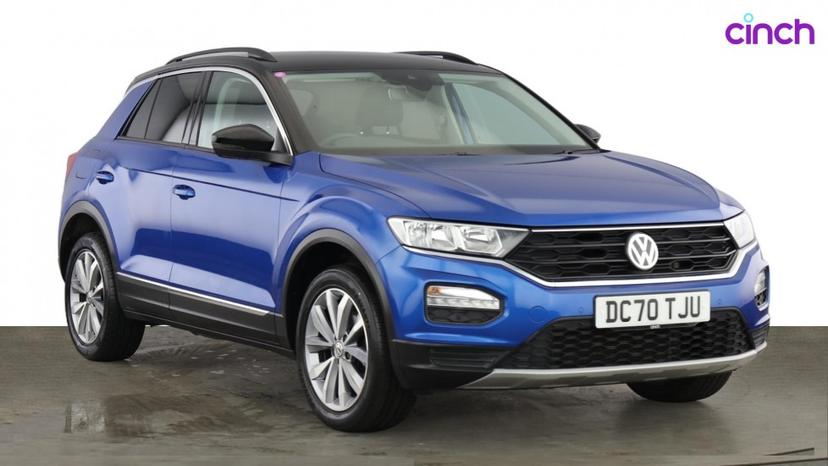
Currently reserved
1.0 TSI Design 5dr


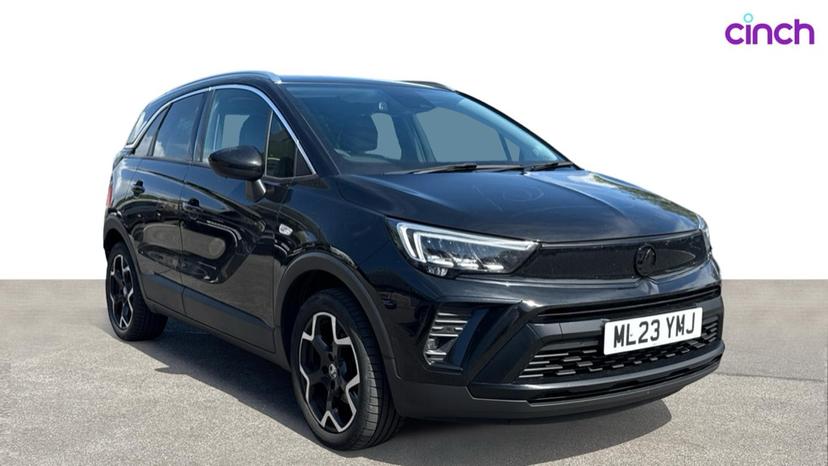
1.2 Turbo Ultimate 5dr
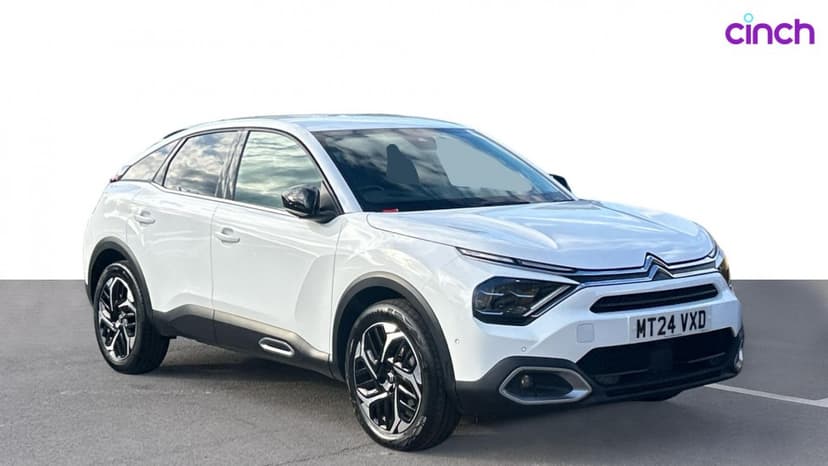
1.2 PureTech [130] Max 5dr Auto
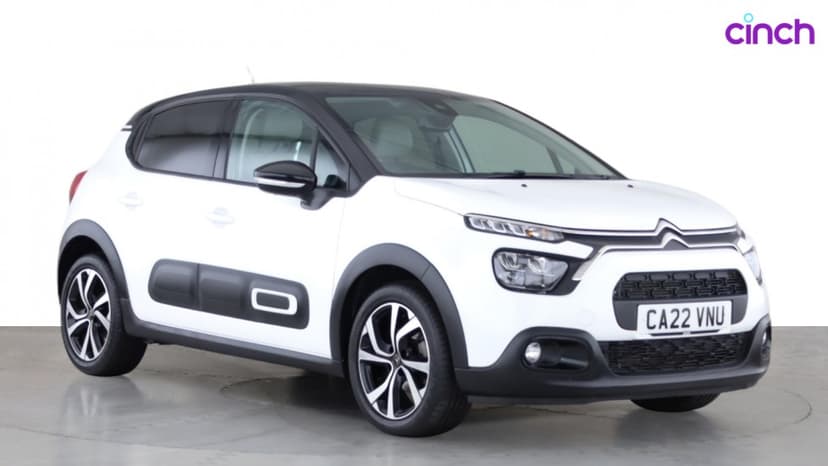
1.2 PureTech 110 Shine Plus 5dr EAT6
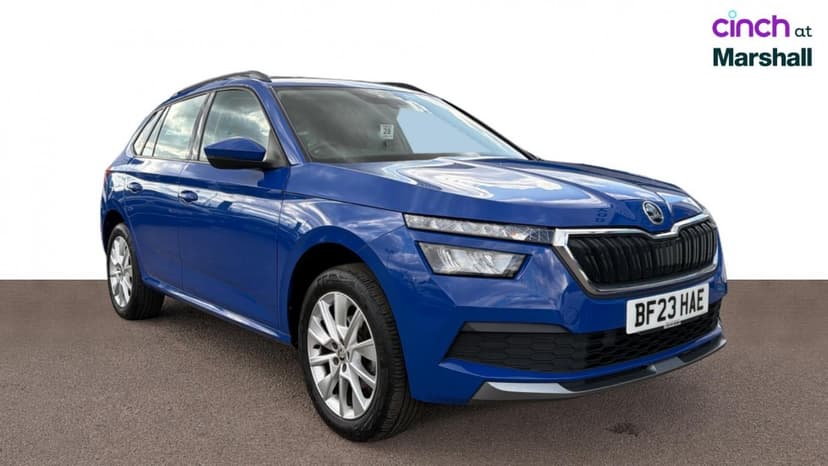
£400 off
1.0 TSI 95 SE 5dr
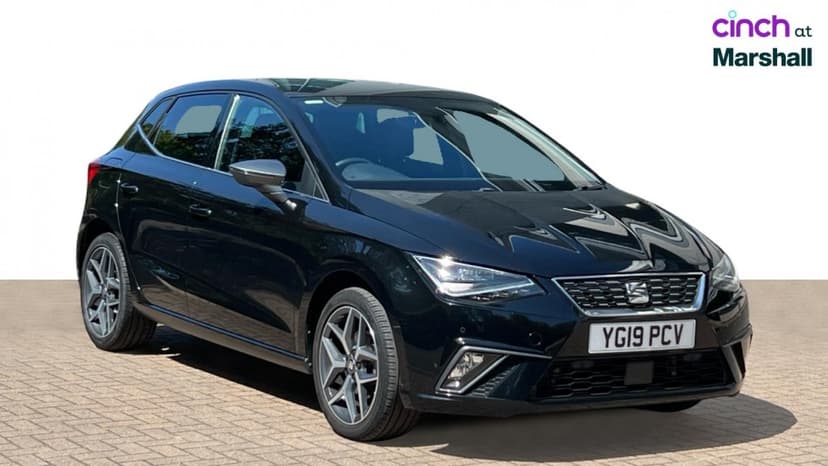
£550 off
1.0 TSI 115 Xcellence Lux [EZ] 5dr DSG


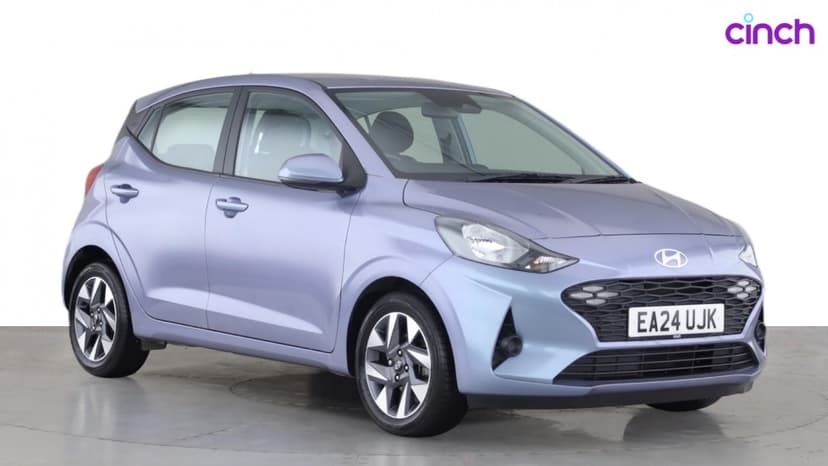
1.0 Advance 5dr Auto
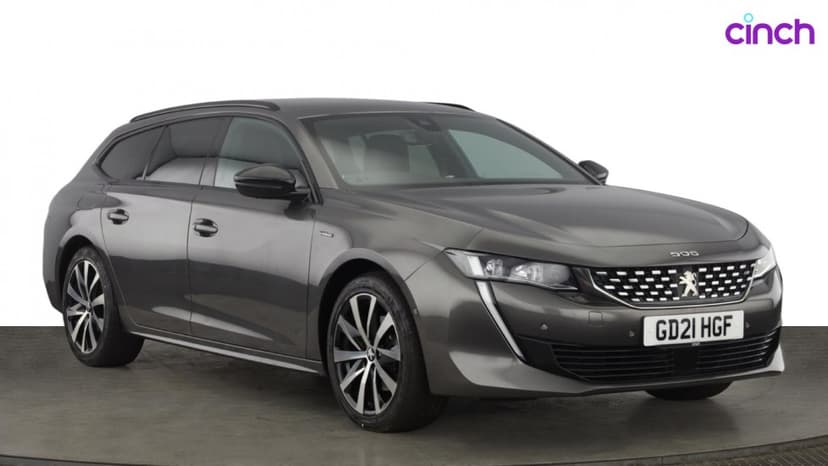
1.2 PureTech GT Line 5dr EAT8
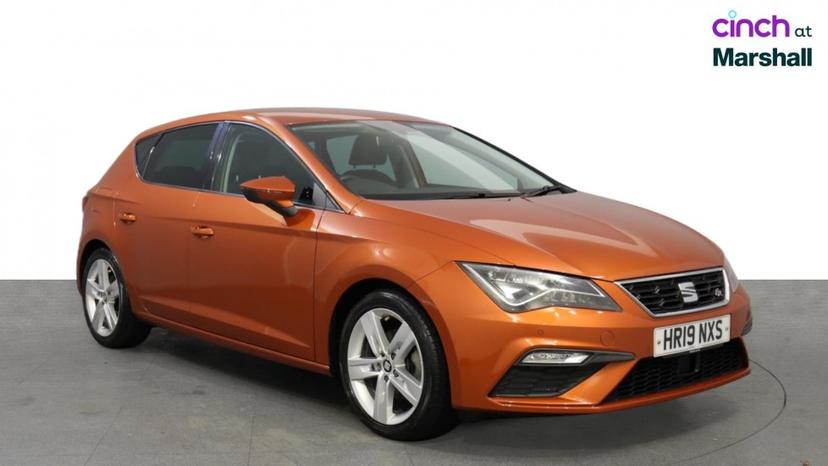
1.5 TSI EVO 150 FR [EZ] 5dr DSG
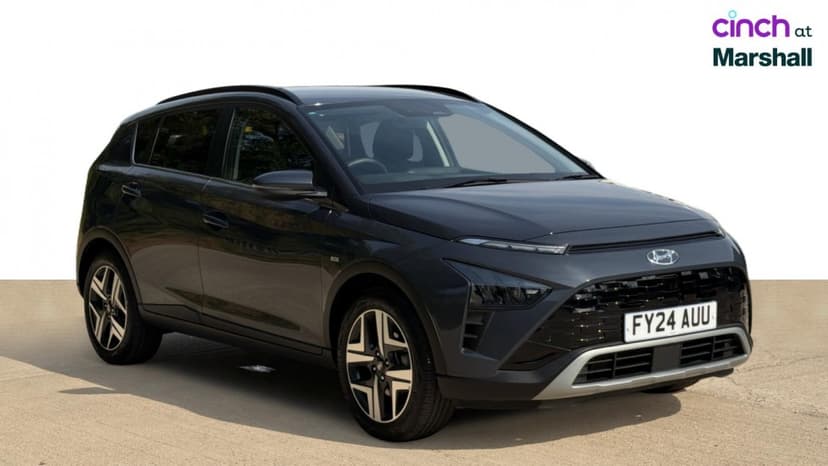
£300 off
1.0 TGDi 48V MHEV Premium 5dr
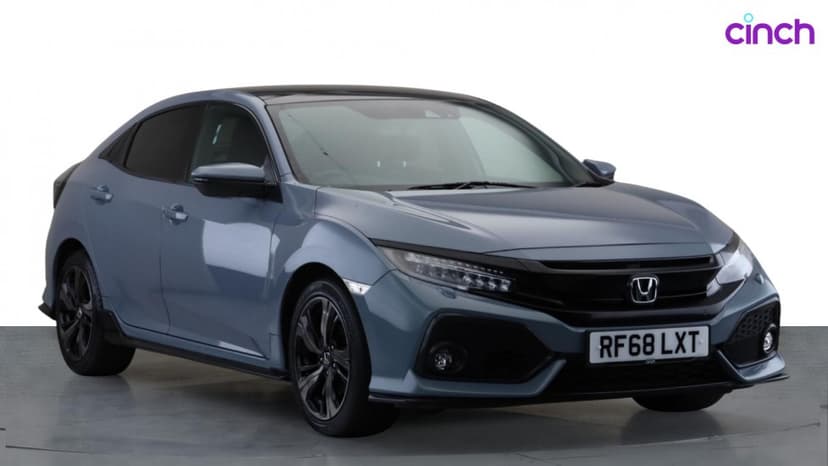
1.5 VTEC Turbo Sport Plus 5dr
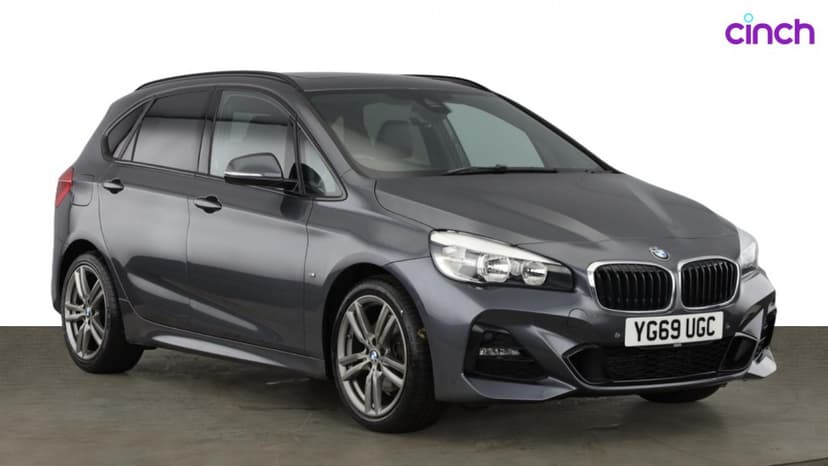
220i M Sport 5dr DCT


Get a quick and easy finance check
Find out nowThis won't affect your credit score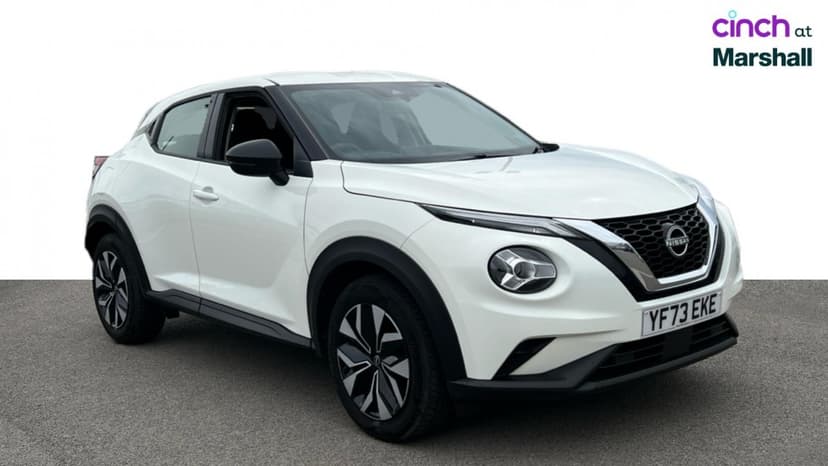
1.0 DiG-T 114 Acenta 5dr DCT
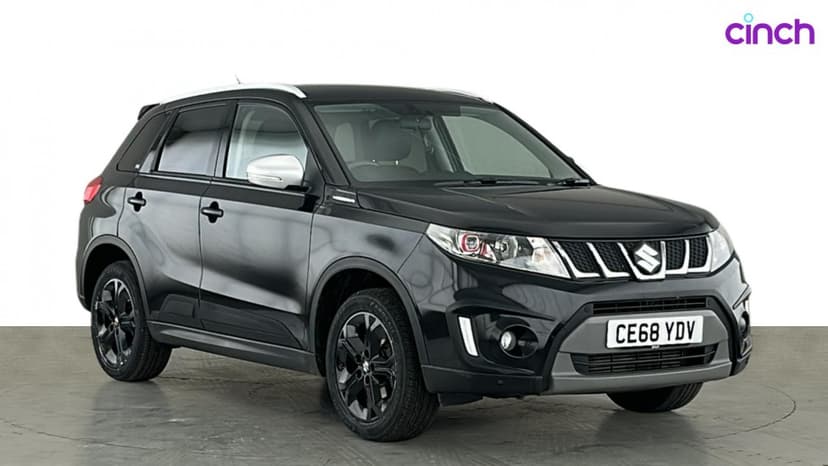
1.4 Boosterjet S ALLGRIP 5dr
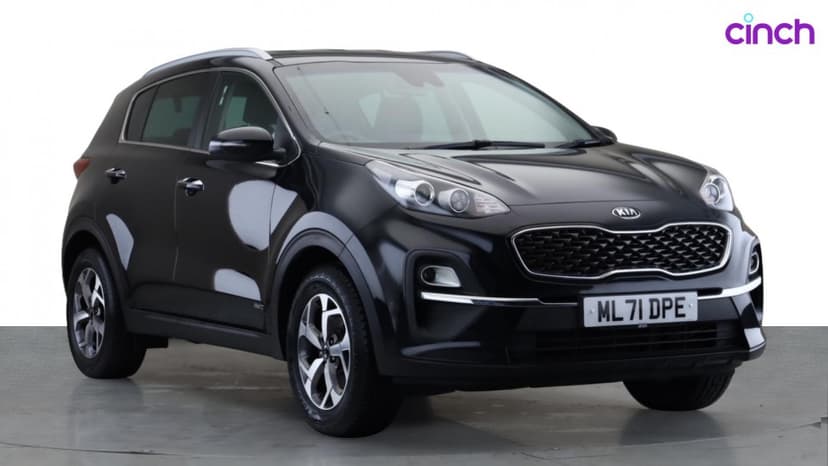
1.6T GDi ISG 2 5dr [AWD]
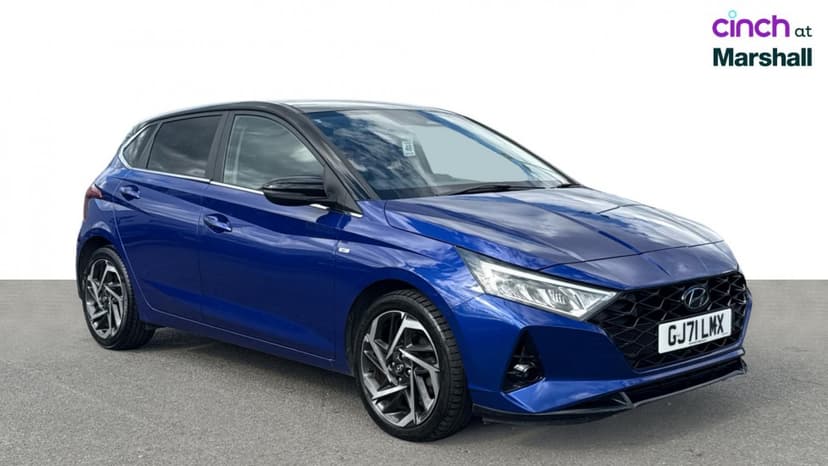
1.0T GDi 48V MHD Ultimate 5dr
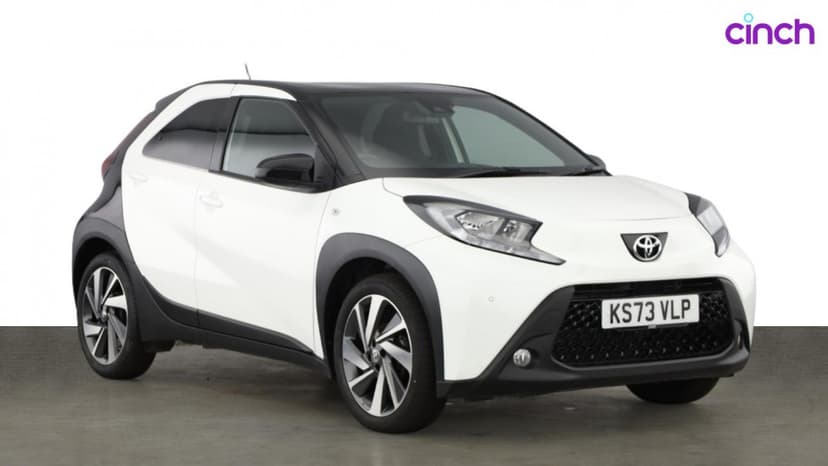
1.0 VVT-i Edge 5dr


Use the value of your current car to lower the cost of your next one
Get a free instant valuation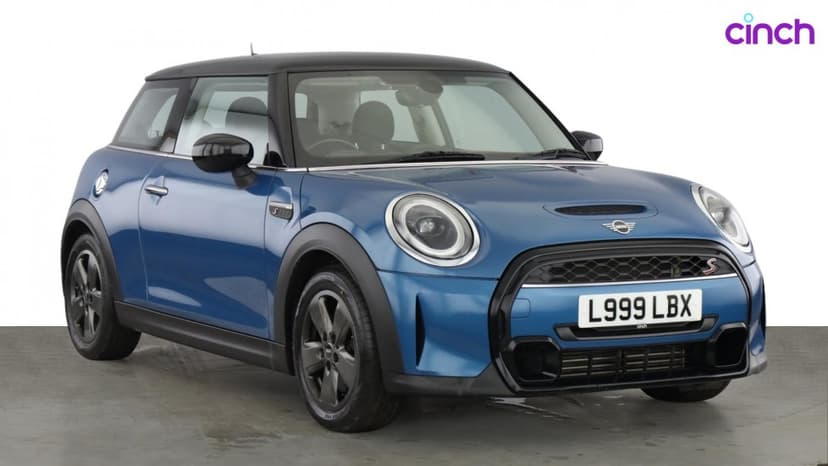
2.0 Cooper S Classic 3dr Auto
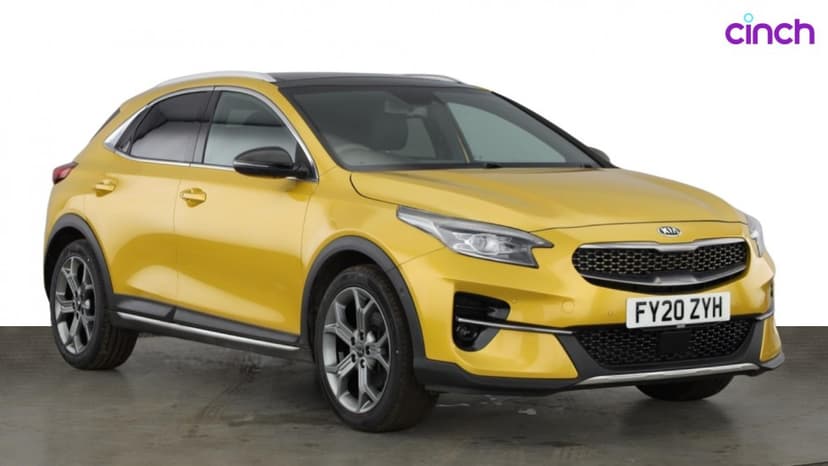
1.4T GDi ISG First Edition 5dr DCT

£500 off
1.0 TCe Expression 5dr
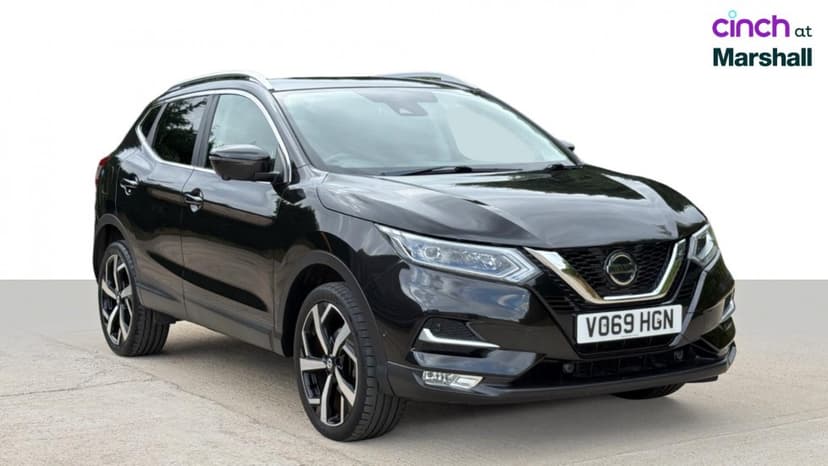
1.3 DiG-T Tekna 5dr
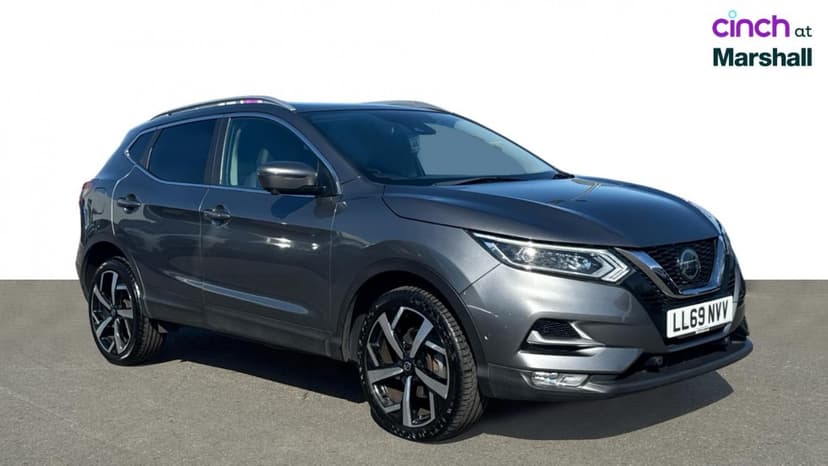
1.3 DiG-T Tekna 5dr
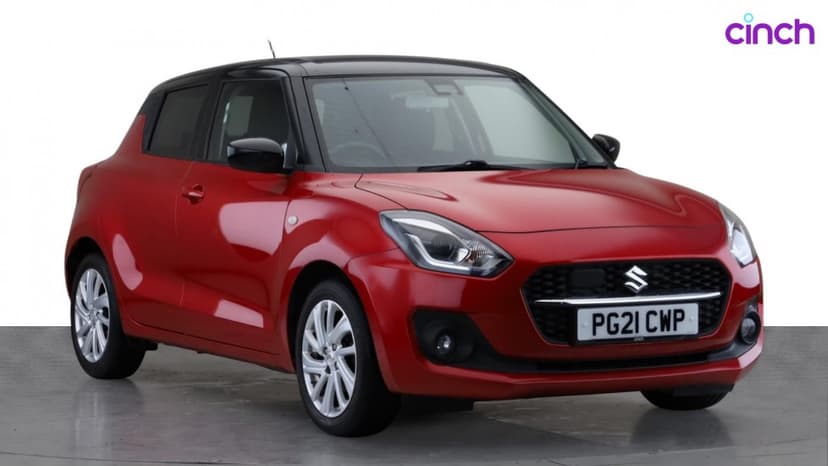
1.2 Dualjet 83 12V Hybrid SZ-T 5dr Auto
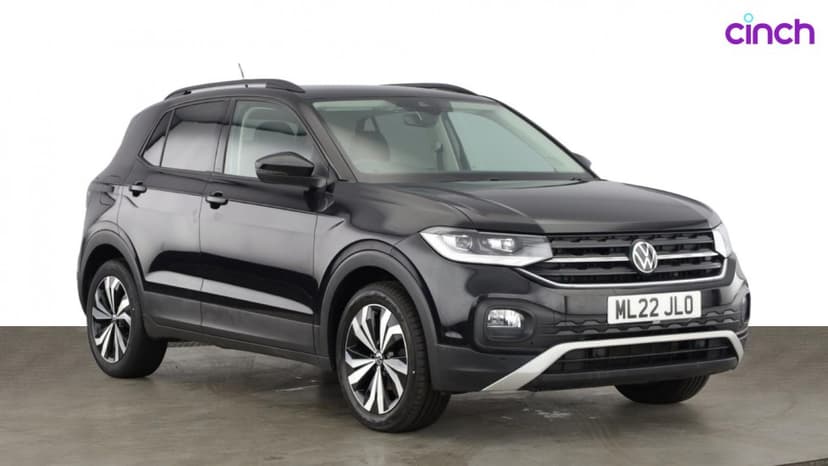
1.0 TSI 110 Black Edition 5dr
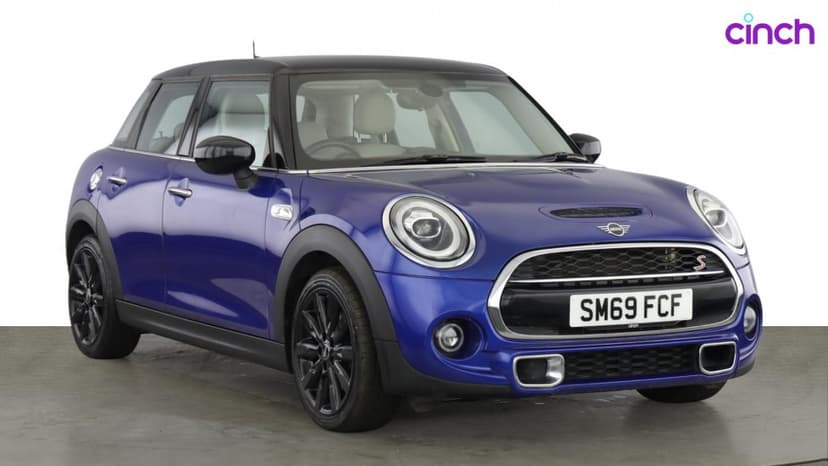
2.0 Cooper S Exclusive II 5dr Auto
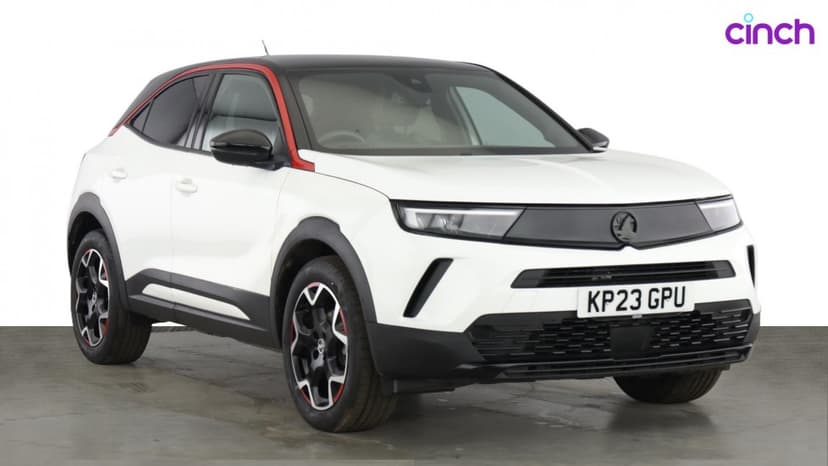
1.2 Turbo 100 GS Line 5dr

£300 off
1.2 Turbo 100 Elite Edition 5dr

1.5 EcoBoost 150 Titanium X 5dr
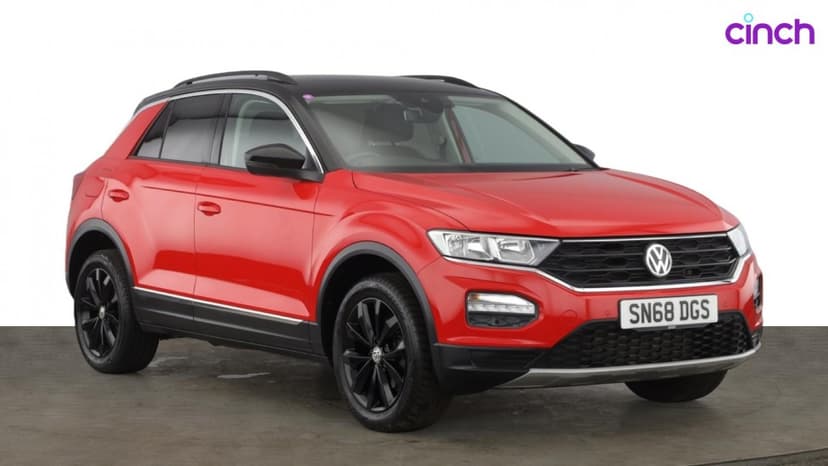
1.5 TSI EVO Design 5dr
Petrol
Use our Help Me Choose tool to go from 1000s of cars to just a handful of recommendations — and cinch your search.
Used petrol cars are extremely popular, so if you’re not ready for electric cars and prefer the convenience of filling up at a petrol station, you’ll find plenty of used petrol cars to buy or finance.
The availability of different types of petrol adds to the convenience, but petrol-engined cars are typically cheaper than their diesel counterparts, reducing the upfront cost of motoring.
Petrol engines generally offer a quieter and smoother driving experience, making them a popular pick for drivers who spend a lot of time around town.
They also tend to have quicker acceleration, making them the de facto choice for fans of performance, hence the term ‘petrolhead’.
Petrol engines used to be considered less economical than diesel engines, and while this is still true to a degree, that gap has closed significantly.
These days, a small petrol engine might be able to exceed 50mpg on a motorway trip, whereas a diesel could be just 5-10mpg ahead. This is thanks to turbocharger technology which helps make smaller petrol engines more efficient.
Factor in the cheaper costs of both petrol cars for sale and the actual petrol at the pump, and it might not be worth getting a diesel car.
Petrol engines also emit fewer nitrogen oxides compared with diesels, which is why they are more favourable around town. This is also why the threshold for diesel cars in low-emission zones is much tighter.
Petrol engines came about before diesel engines; in fact, many mechanics were unsure of diesel when it first came in. Both fuels have now proven to be similarly reliable.
That being said, a petrol engine is usually simpler than a diesel engine, making repairs more straightforward (and affordable).
Compared with diesel engines, petrol cars tend to be less affected by lower temperatures and cold weather conditions.
Petrol is a popular fuel choice for a range of reasons that we’ve already discussed, including fewer emissions at town speeds, a smoother ride and even stronger performance.
The smallest engine you’d usually see is a three-cylinder unit – they tend to range from 0.9 litres (in something like the Renault Clio) to 1.5 litres (like the Ford Fiesta ST).
A three-cylinder engine has a distinctive sound, often described as a ‘thrum,’ and it can sound quite good.
Ford petrol cars are often praised for their punchy performance, the 1.0-litre EcoBoost engine produces between 100hp and 170hp, depending on the model.
It doesn’t get much smaller than this – Fiat sold a 0.9-litre two-cylinder engine for a while in cars like the Fiat 500, but this is no longer an option.
Although three cylinders are becoming more common, many family hatchbacks use the more conventional four-cylinder layout, which you’ll usually find in 2.0-litre cars, for example, some Mercedes petrol cars like the C-Class.
Beyond that, many road-going cars have six- or eight-cylinder engines. They usually range from 3.0 to 5.0 litres – find something like this in BMW petrol cars like the M3 or M5.
Petrol engines can be fitted to all types of cars, including saloons, hatchbacks, SUVs, coupés and convertibles.
This is a debate that stems from the wider rollout of E10 in 2021 – it consists of 10% ethanol and 90% petrol, compared with the 5:95% split of E5.
The reduced amount of ethanol in E5 means it’s less corrosive and generally more compatible with older petrol engines – typically pre-2011 models.
It also has a higher energy content per litre than E10, which means it can be slightly more economical, though the difference in real-world conditions is less obvious.
E5 is now generally considered a premium fuel.
With fewer fossil fuels (and more ethanol), E10 is more environmentally friendly because it produces fewer carbon emissions.
It offers the best balance between sustainability and compatibility – newer engines are built to handle the extra ethanol.
Despite initial plans to go electric, many manufacturers delayed their plans and are continuing to invest in petrol models.
Petrol cars are generally the least expensive, so they’re more affordable for budget-conscious drivers.
Rules for petrol cars are much less restrictive than diesel models – as long as your petrol car is Euro 4-compliant, you’ll be able to drive in the Ultra Low Emission Zone. Cars registered after January 2006 are Euro 4-compliant.
It’s hard to determine how long a petrol model will last – good maintenance and regular servicing will pay dividends.
With proper care, many petrol cars can last well beyond 200,000 miles before major problems start making them uneconomical to repair.
When the rules changed in 2017, all cars were charged the same flat rate for the second year onwards. As of 2025, it’s £190 for the year.
Pick a car that was registered before April 2017 (but after March 2001) and you’ll pay nothing for a petrol that emits fewer than 100g/km of CO2.