JAECOO 7 review
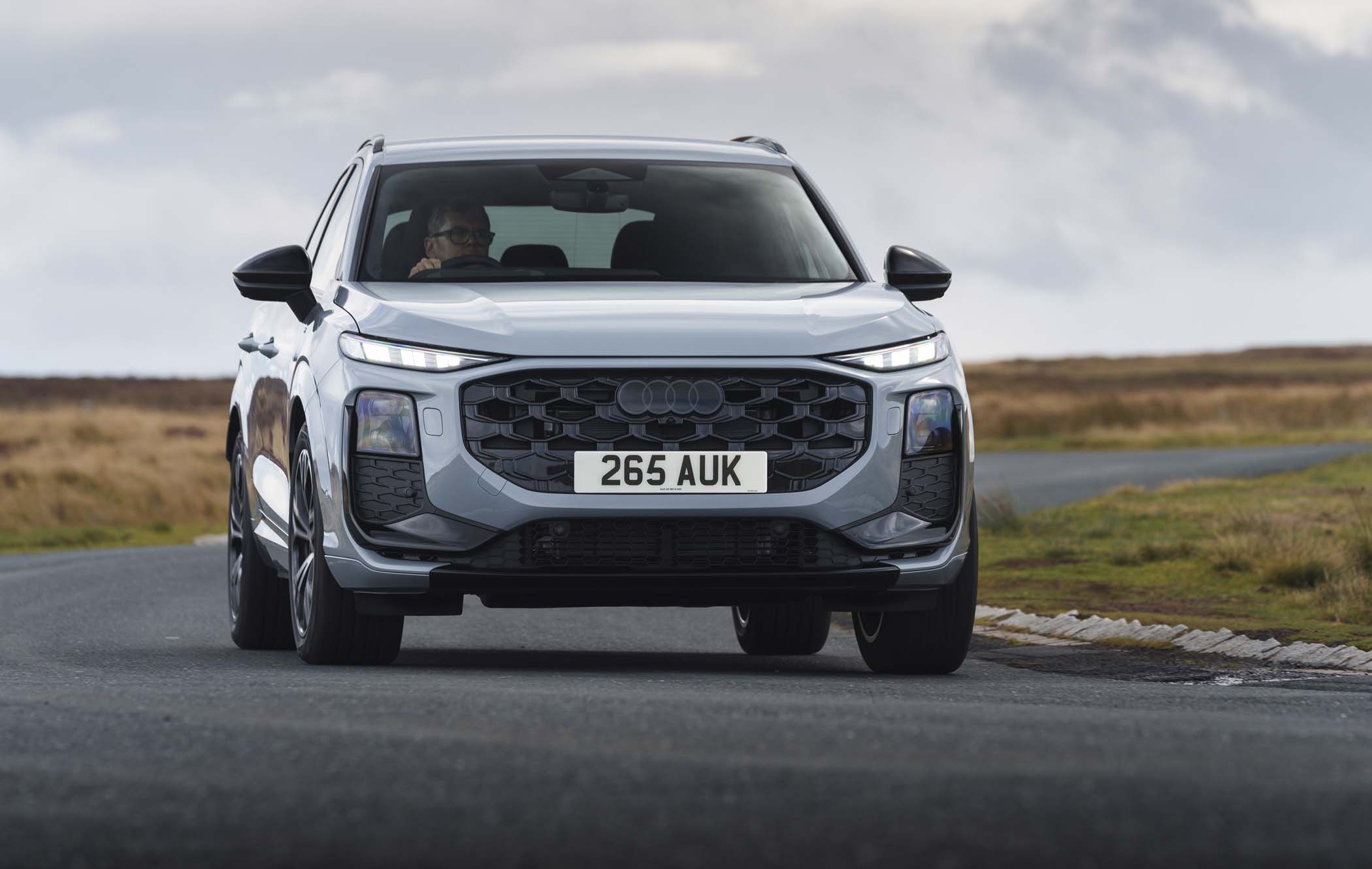
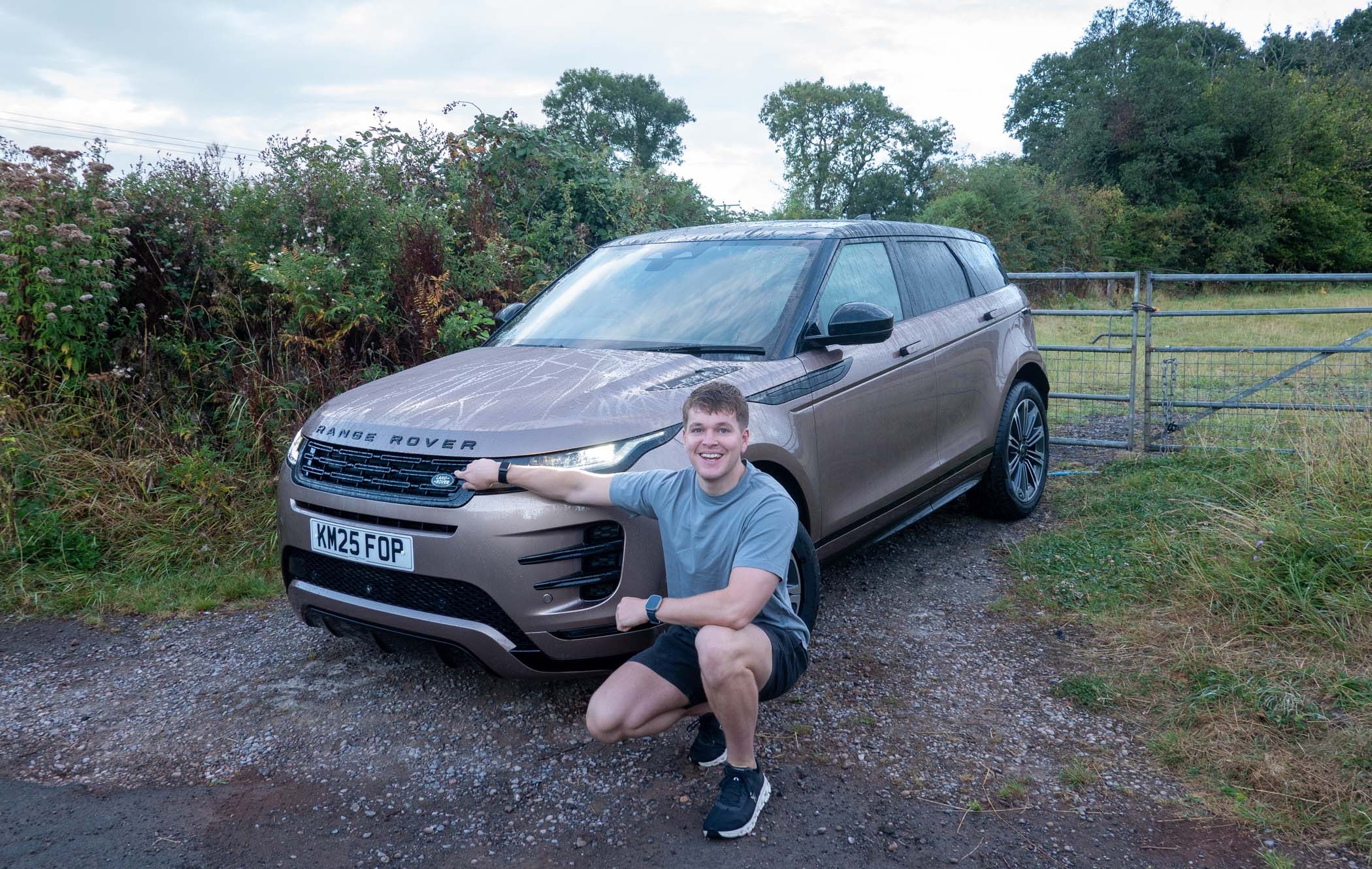
The JAECOO 7 is one of the most hotly anticipated cars we’ve seen in a long time. In the first seven months, it sold more than 10,000 cars in the UK alone. But does this Range Rover Evoque rival have what it takes, or is it just another fad? Spoiler alert: it’s a belter. Read our full JAECOO 7 review to find out more.

)

Pros
- Incredible value for money
- Range Rover-like luxury
- Impressive tech
Cons
- Steering feel lags behind rivals
- Not the biggest boot
Interior
Our rating: 9/10
Driving position
Getting comfortably seated in the JAECOO 7, or J7, is as easy as in any other SUV. Because you sit high up on the road anyway, all seating positions mean you can easily see the road ahead.
All versions come with electric front seats as standard, which are easy to adjust and incredibly comfortable. We did 100 miles in one go, no problem.
Thanks to its boxy shape and greenhouse-esque windows (like an old L322 Range Rover), it’s very easy to see all around you.
This makes parking especially simple, but you have a parking camera to help you with that anyway.
The overall fit and finish inside the J7 are miles above what you’d expect at this price bracket. There are supple leather-effect finishes across the doors and dashboard.
It does have some scratchier plastics lower down in the cabin, but this is common even on Audis and BMWs.
Tech and features
JAECOO 7 trims
– Deluxe
– Luxury
Like with all modern cars, the first thing you’re greeted by in the cabin is a massive infotainment screen.
13.2 inches in the entry Deluxe trim and 14.8 inches in the top-spec Luxury trim. Identical to use, just different sizes.
It’s simple to use, has fast graphics and is crisp. It’s probably one of the best portrait screens out there. Simple and gets the job done.
It, of course, gets wireless Apple CarPlay and Android Auto too, and both trim levels get a panoramic sunroof as standard.
If you want ventilated front seats, a head-up display and a heated steering wheel, then it’s well worth spending a few grand more for the Luxury.
Another bonus is the onboard 540-degree parking camera, which lets you see every angle around the car, as well as underneath. It’s especially helpful when parking.
Performance
Our rating: 7/10
Engines and power
JAECOO 7 performance stats
– Power: 145hp or 200hp
– 0-62mph: 8.5 to 11.8 seconds
– Top speed: 112mph
– Driven wheels: Front-wheel drive or all-wheel drive
The JAECOO 7 comes with two engine choices: a turbocharged 1.6-litre four-cylinder petrol engine mated to a seven-speed automatic gearbox, or a 1.5-litre plug-in hybrid (PHEV).
The petrol car is available with either front-wheel drive (FWD) or all-wheel drive (AWD), but the PHEV (dubbed a 'Super Hybrid') is front-wheel only.
The car we drove was the 1.6-litre petrol, and for a first attempt in the UK, it’s rather refined.
It can feel a little underpowered at times, but still has enough grunt at 145hp (versus 200hp in the PHEV) for most daily tasks.
It’s calm and sophisticated at 70mph on the motorway and remains compliant around town.
But if you spend more of your time in and around 30mph zones in town, you should go for the PHEV; otherwise, the petrol is best for most people.
Handling and ride comfort
Ride comfort is something new entrants to the UK have to get right. Our roads are less than perfect, so having a car that soaks up any bumps is a bonus.
We found the JAECOO 7 to do just that. Its setup favours a softer ride, but it isn’t too wallowy, so you get a nice balance.
Around town, it feels composed and never wobbly over speed bumps like some other SUVs.
On a faster A-road or motorway, it rides smoothly and never feels juddery.
We even tested it on our least favourite part of the M25 near Heathrow, where it’s a juddery mess, and it handles it relatively well. Not perfect, but for a heavy SUV at this price, it was impressive.
Practicality
Our rating: 8/10
Boot space
JAECOO 7 boot space:
– Boot space: 500 litres (410 litres for the PHEV)
– Incl. Rear seats folded: Up to 1,423 litres
In the standard petrol car, there’s 500 litres of boot space – 1,423 litres when you fold down the rear seats.
The PHEV gets a little less at 410 litres (1,335 litres with the rear seats folded). This is because of the extra space needed for the batteries.
Either way, there’s enough space for several suitcases or lots of soft bags.
Compared to rivals, it lags behind somewhat, with the Range Rover Evoque getting 591 litres and the Volkswagen Tiguan with 652 litres.
One bonus, however, is that there’s a full-size spare wheel under the boot floor, which is almost unheard of in a new car today.
Rear seats
Thanks to its boxy shape, there’s a surprising amount of space in the rear seats.
For passengers over six feet, there’s plenty of headroom, knee and legroom – even with the sunroof blind closed.
Space for three may be a squeeze on longer drives, but when push comes to shove, it’ll be fine.
Storage solutions
Cabin storage is decent throughout. Occupants in the front get a deep area beneath the central armrest, as well as additional space under the infotainment screen, where you will find charging ports for mobile devices.
Passengers in the back don’t get quite as much storage, but there's enough for a road trip.
JAECOO 7 dimensions
– Height: 1,680mm
– Width: 1,865mm
– Length: 4,500mm
– Weight (kerb): 1,795kg to 1,809kg
Safety
The JAECOO 7 scored a full five stars in the 2025 Euro NCAP safety test, thanks to a wide range of safety features.
These include: a parking camera, attention drowsiness detection, autonomous emergency braking and lane-keep assist.
You also get two ISOFIX child seat mounting points in the back, but none in the front passenger seat.
Running costs
Our rating: 8/10
Fuel economy
As we mentioned, there are two engines on offer.
The all-wheel drive 1.6-litre petrol car we drove returned 41.5mpg over a 200-mile drive over varying terrains and speed limits.
This far surpasses its claimed 35mpg rating, though if you want a bit more claimed range for safety, go for the front-wheel-drive petrol with 38mpg.
The SHS (Super Hybrid System) plug-in hybrid car should return between 45mpg and 50mpg, but you also benefit from up to 56 miles of electric-only range, making it ideal for city driving.
Reliability
JAECOO is too new a brand to have any meaningful long-term reliability figures on, but both OMODA and JAECOO have fared well so far.
On top of positive customer reviews, the JAECOO 7 comes with a massive seven-year/100,000-mile warranty and an eight-year warranty for the PHEV’s battery.
The verdict
Interior
9/10
Performance
7/10
Practicality
8/10
Running costs
8/10
The JAECOO 7 is clearly aimed at budget buyers, but ones who favour the fancier things in life.
With a starting price of around £30,000 and a total cost of no more than £40,000, it’s no wonder they’re selling like hot cakes. It's the go-to choice for those who may have previously bought an Evoque.
Which one should you buy? We’d recommend the JAECOO 7 Luxury for most people, but if you want to benefit from electric-only driving, then the JAECOO 7 SHS plug-in hybrid is the one for you.
This should definitely be a wake-up call for all legacy car makers. The future is here, and it’s looking promising for China.
Similar to the review